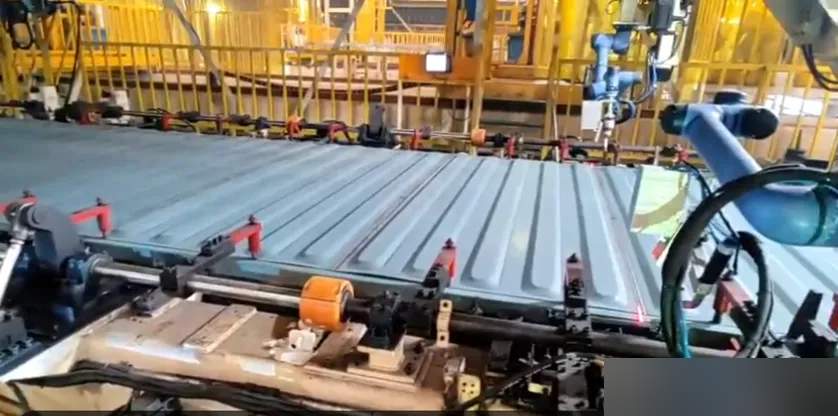
Vision-Enabled Intelligent Upgrades for Welding Robots
In traditional welding workshops, workers must hold up welding masks and operate with precision amid flying sparks. In modern smart factories, however, welding robots are completing complex welding tasks with accuracy and efficiency that surpass human vision, thanks to advanced vision systems. Vision technology is giving welding robots a true “eagle eye.”
Vision Technology: The “Smart Eye” of Welding Robots
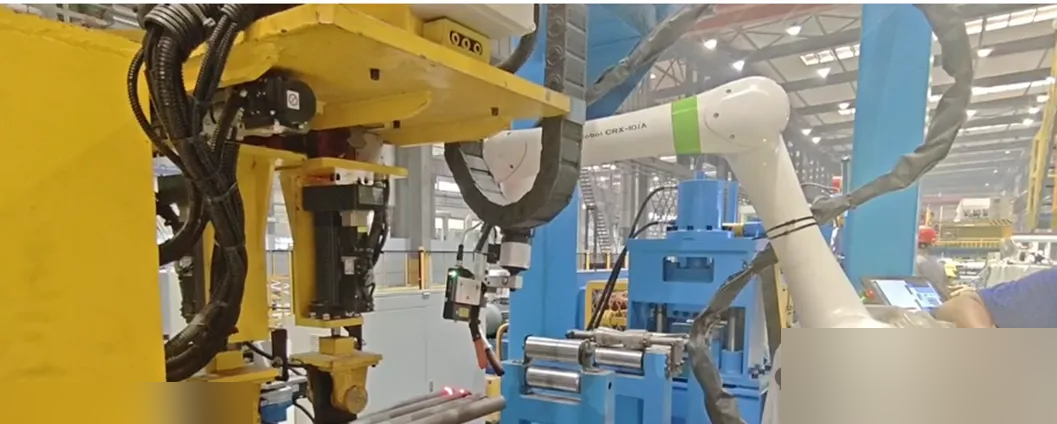
The vision system of a welding robot typically acquires images of the welding area through devices such as laser vision sensors and CCD cameras, then extracts weld seam feature information using image processing algorithms, ultimately enabling automatic weld seam recognition, tracking, and positioning.
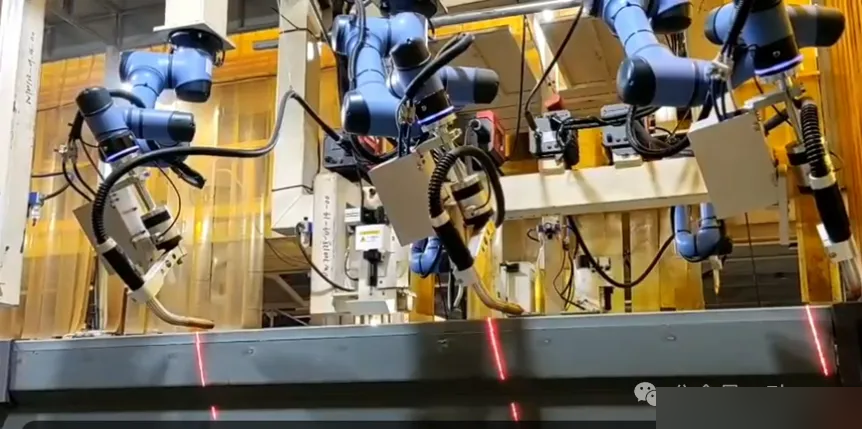
The mainstream technologies currently fall into three directions: 2D vision positioning, 3D vision scanning, and real-time weld seam tracking. 2D vision is mainly used to identify the position and type of the weld seam; 3D vision can obtain information on the depth and cross-sectional shape of the weld seam; real-time tracking technology can dynamically adjust the robot’s path during the welding process to ensure weld quality.
Market Demand: High Efficiency, High Quality, High Flexibility
As the manufacturing industry undergoes transformation and upgrading, the market places higher demands on welding processing:
- Higher precision requirements: Fields such as aerospace and new energy vehicles have extremely high requirements for weld quality, which are difficult for traditional manual welding to meet;
- Increasing cost pressure: Labor costs continue to rise, and enterprises urgently need automated solutions to reduce long-term costs;
- Small batches, multiple varieties: Orders in modern manufacturing feature small batches and multiple varieties, requiring welding systems with rapid changeover capability;
- Special environment requirements: In harsh environments such as high temperatures, toxic atmospheres, or confined spaces, robotic welding offers clear advantages over manual labor.
Application Value: Solving Industry Pain Points
The application of vision technology to welding robots is delivering multiple benefits:
- Improved production efficiency: Vision systems enable automatic weld seam recognition and positioning, reducing manual teaching time and increasing the robot’s effective working time by 30%–50%;
- Consistent quality assurance: Real-time weld seam tracking and adaptive control technologies ensure optimal matching between welding parameters and process requirements, significantly reducing the defect rate;
- Enhanced production flexibility: Vision systems allow robots to quickly adapt to different workpieces and weld seam types, making mixed-line production easy;
- Reduced reliance on skilled welders: Vision technology simplifies robot programming and operation, alleviating the shortage of skilled welders;
- Digitalized management: Vision systems can record welding process data in real time, providing a basis for quality traceability and process optimization.
Conclusion
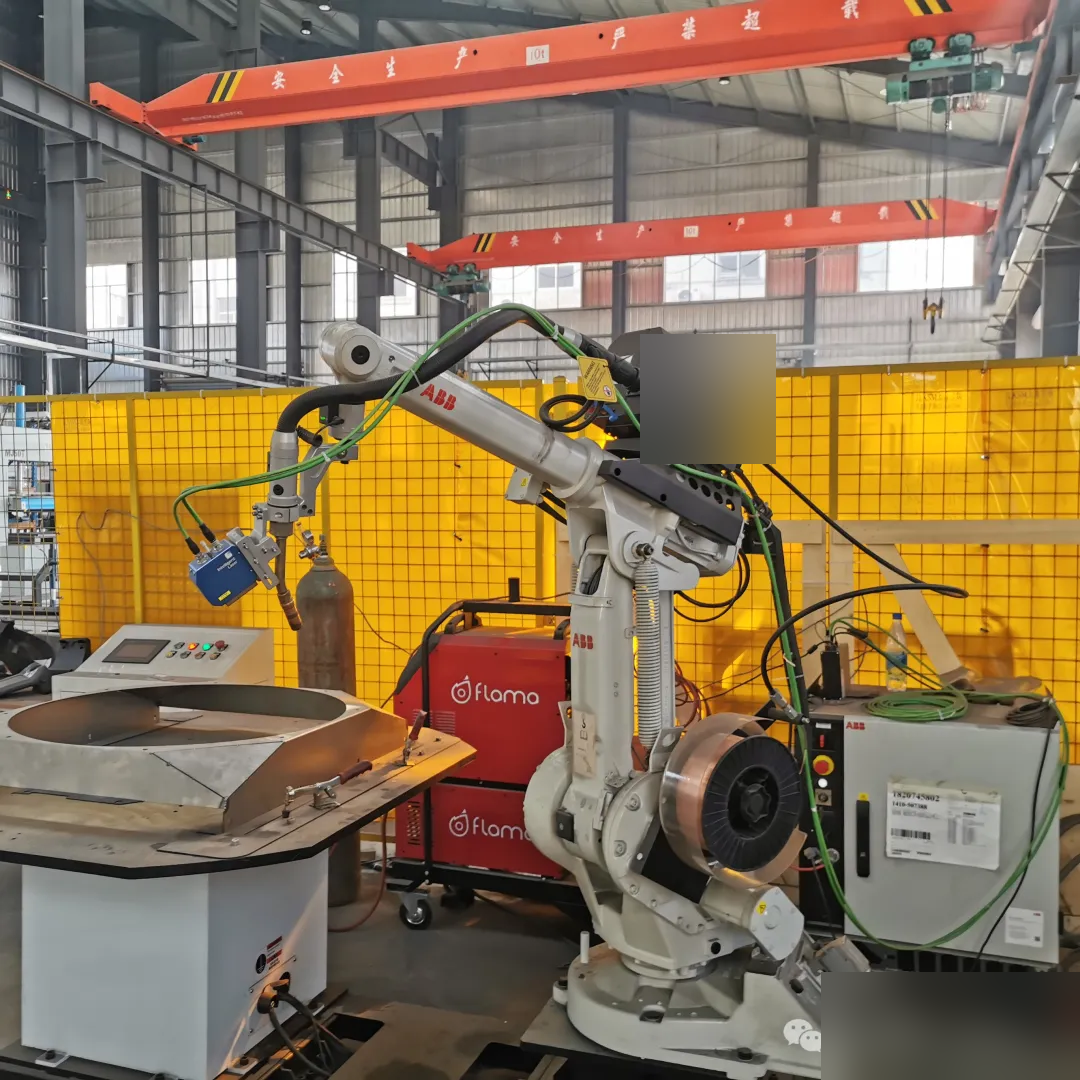
Vision technology is moving welding robots from “blind welding” to “visible welding” and from “programmed” operation to “intelligent” operation. This not only improves weld quality and efficiency, but is also reshaping the way the welding industry works and the mode of human–robot collaboration. As the technology matures and costs decline, intelligent welding robots will no longer be the exclusive preserve of large enterprises — small and medium-sized enterprises will also be able to benefit. Welding robots empowered by vision technology are becoming an important driving force in the transformation and upgrading of China’s manufacturing industry.