
Hot-Wire TIG High-Efficiency Argon Arc Welding
“With this hot-wire argon arc welding system, work gets done much faster!” So remarked an experienced welder in the production workshop of a shipbuilding enterprise. In fact, this is a hot-wire argon arc welding (hot-wire TIG) system, which differs considerably from the conventional TIG welding commonly seen in daily life: it eliminates the need for manual wire feeding. The figure shows a hot-wire TIG automatic wire-feeding argon arc welding operation in progress.
Hot-wire TIG welding is a high-quality, high-efficiency, energy-saving welding process developed from conventional TIG welding in 1956. Its basic principle is to preheat the filler wire to a certain temperature before it is fed into the weld pool, thereby achieving high-speed, high-efficiency welding.
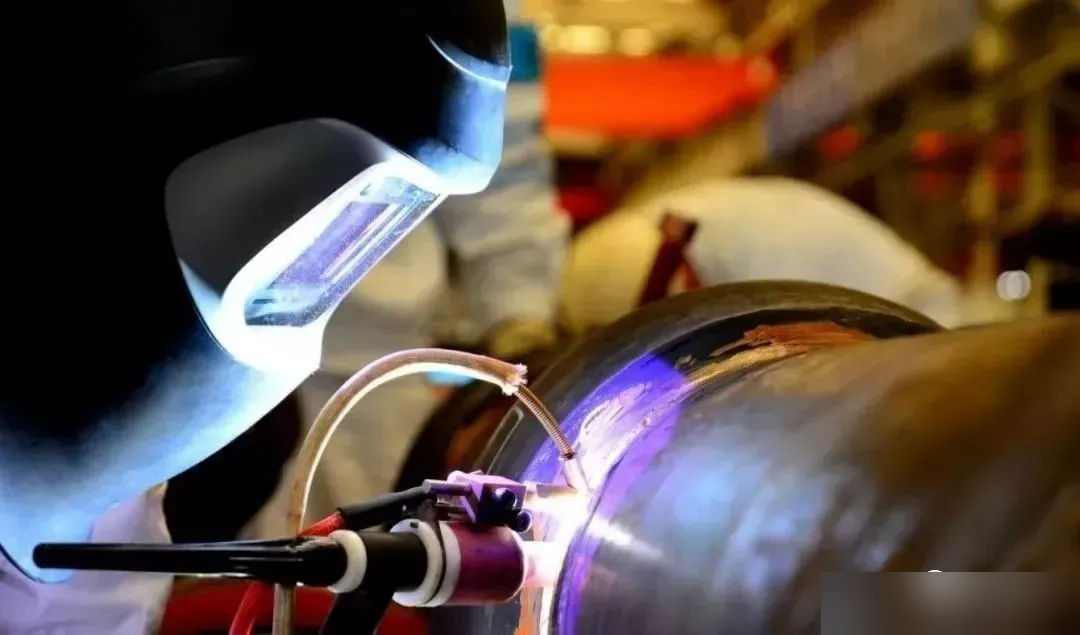
Features of the Hot-Wire TIG Welding Machine
-
High deposition rate: the deposition rate can reach more than 2.5 times that of conventional cold-wire feeding.
-
Integrated design that is easy to disassemble and relocate.
-
Stable, synchronized wire feeding: automatic wire feeding delivers constant filler metal at the optimal direction and angle for TIG welding. The cap pass can adopt pulsed wire feeding synchronized with the welding power source, producing better weld quality.
-
High weld quality: the length of filler wire entering the weld pool is kept consistent, ensuring continuous, stable welding and good weld-to-weld consistency.
-
Suitable for long welds.
-
Easy switching between cold-wire and hot-wire processes.
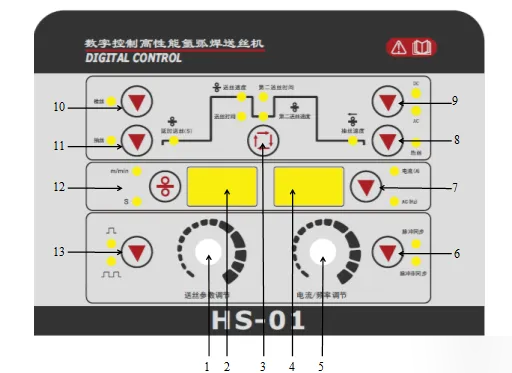
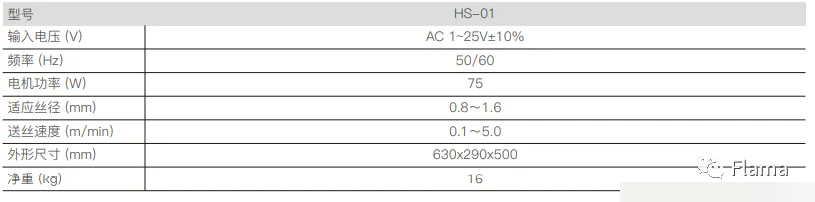
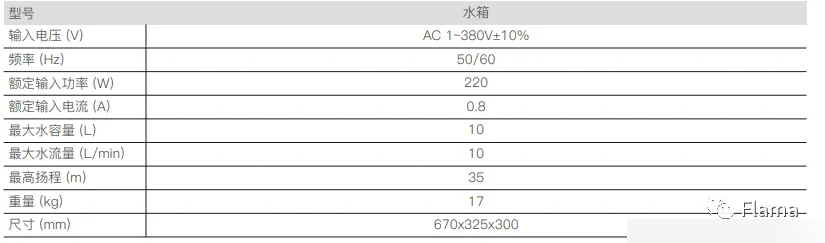
Parameters of the Hot-Wire TIG Welding Machine
Welding Power Source Parameters
Wire Feeder
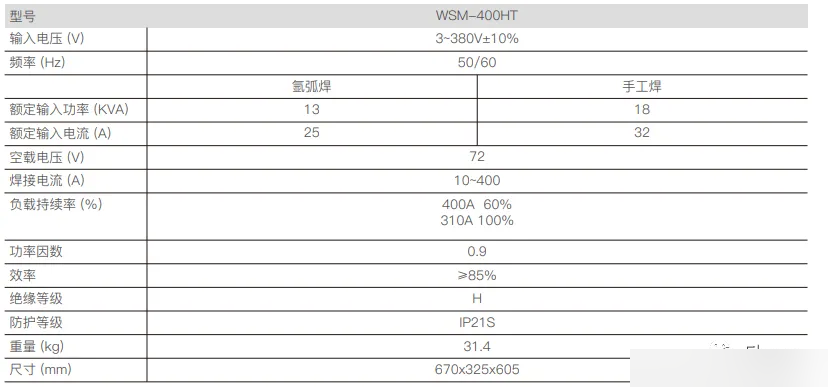
Heating Power Source Parameters
Water Cooler Parameters
Deposition Rate Is Welding Efficiency
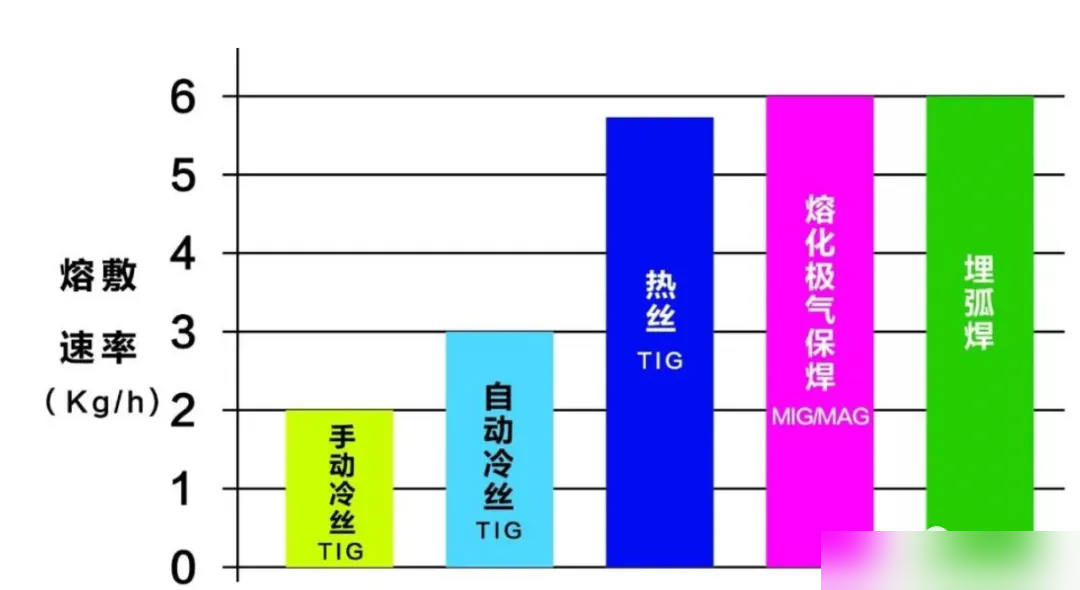
The weld quality of argon arc welding is widely recognized, yet its low efficiency is a prominent drawback. Hot-wire TIG welding improves welding efficiency precisely by increasing the deposition rate, as shown in the comparison below:
Hot-Wire TIG vs. MIG
Compared with TIG welding, hot-wire TIG welding markedly increases the deposition rate and welding speed, making it suitable for welding structures of medium thickness while retaining the high weld quality of TIG welding. Compared with MIG welding, its deposition rate is similar, but because the wire feed speed of hot-wire TIG welding is independent of the welding current, weld bead shape can be controlled more precisely; for grooved welds, its side-wall fusion is considerably better than that of MIG welding.
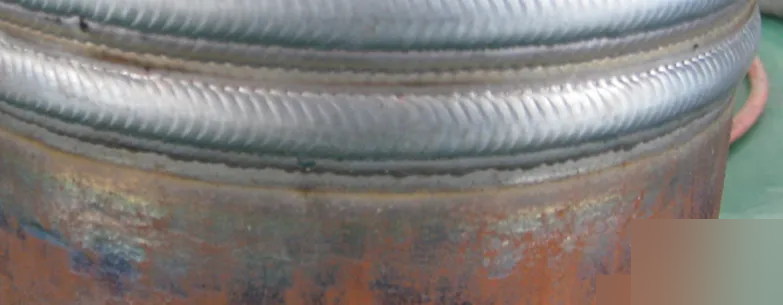
The weld results of MIG welding and hot-wire TIG welding are shown below:
Conclusion
With the trend toward higher productivity, conventional TIG welding — limited by its low deposition rate and slow welding speed — can no longer meet the production requirements of many high-volume manufacturers. Hot-wire TIG welding systems can be combined with robots and automated welding stations for automated welding, meeting the process requirements of TIG welding while also achieving efficient, automated production.