
AI Applications in Intelligent Welding Processes
AI technology is driving the intelligentization and automation of welding processes, improving production efficiency and product quality. Its applications in welding are mainly reflected in the following areas:
Weld Quality Control
AI applications in weld quality control are mainly reflected in weld quality inspection, weld defect identification, and welding process optimization. These applications not only improve the accuracy and speed of welding, but also significantly enhance production efficiency and product quality through real-time monitoring and intelligent adjustment. Key applications of AI in weld quality control include:
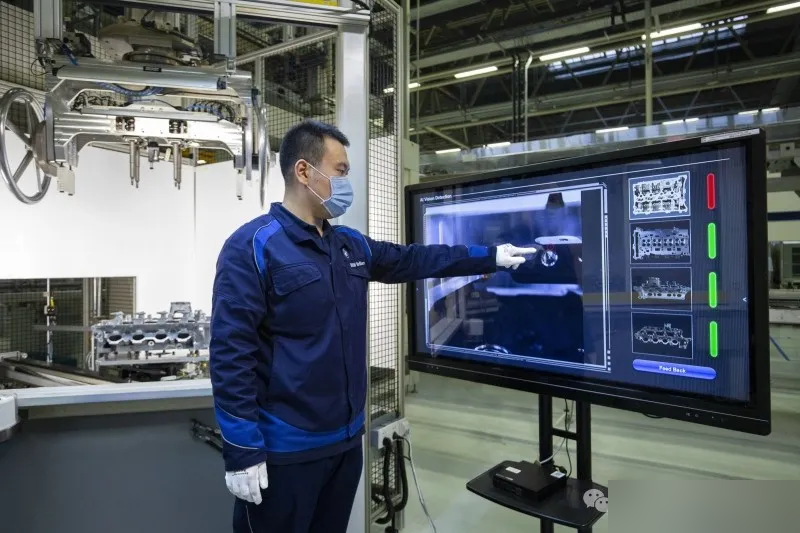
Weld quality inspection: Weld quality inspection systems based on machine vision and deep learning combine advanced computer vision and deep learning algorithms to monitor and evaluate weld quality in real time during the welding process. Using high-speed, high-resolution cameras to capture welding details, deep learning algorithms can learn to identify welds of different quality levels, including welding defects, cracks, porosity, and so on. These systems are adaptive to a certain extent, accommodating different process parameters, material types, and welding environments, and are thus better suited to a variety of welding tasks. In practice, such systems are widely used in automotive manufacturing, aerospace, electronics manufacturing, and other fields. By automating quality inspection, these systems not only improve the efficiency of the welding process, but also ensure a high level of weld quality and reduce the defect rate in manufacturing.
Weld defect identification: The Zeiss ZADD automatic defect detection technology uses AI models to help users quickly resolve quality issues, with outstanding performance in detecting porosity, adhesive application, inclusions, weld path, and defects. Deep learning-based weld image defect identification methods automatically identify defects in X-ray weld images, improving detection accuracy and efficiency.

Welding Parameter Optimization
Process parameter optimization: AI algorithms can optimize process parameters such as welding current, voltage, and speed based on historical data and real-time feedback, achieving the best welding results.
Adaptive control: By monitoring various parameters in real time during welding, AI systems can automatically adjust welding conditions to respond to variations in materials and environment.
Welding Robots
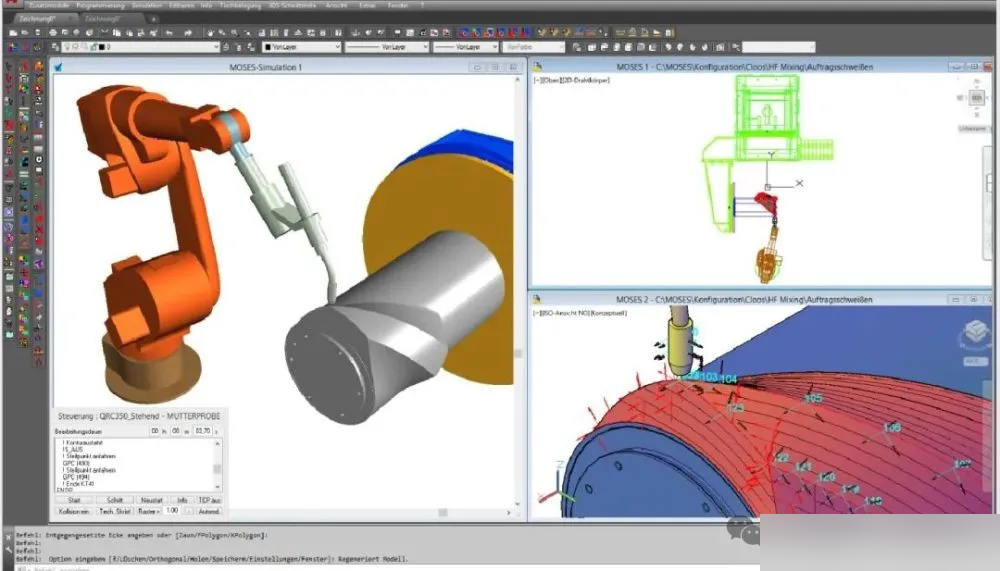
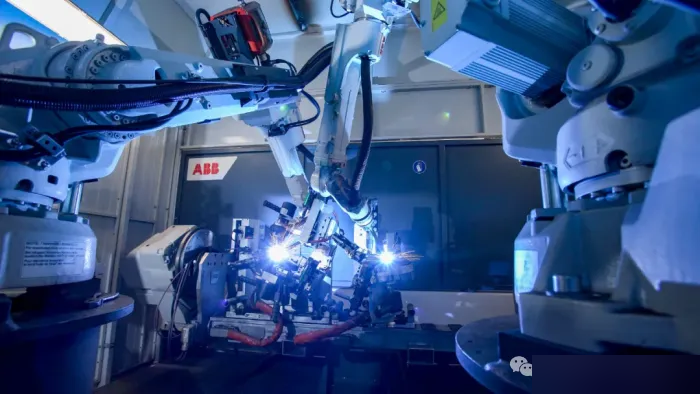
Path planning: AI can help welding robots plan complex paths, improving welding efficiency and accuracy.
Intelligent operation: Through deep learning, welding robots can recognize different welding tasks and automatically select the appropriate welding process and parameters.
Welding Data Analysis
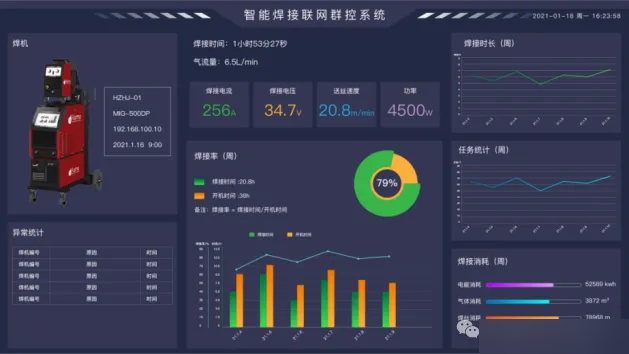
Big data analysis: AI can process and analyze large volumes of welding data, uncovering hidden patterns and trends that provide a basis for improving welding processes.
Predictive maintenance: By analyzing equipment operating data, AI can predict failures of welding equipment and enable maintenance in advance, reducing downtime.
Virtual Simulation and Training
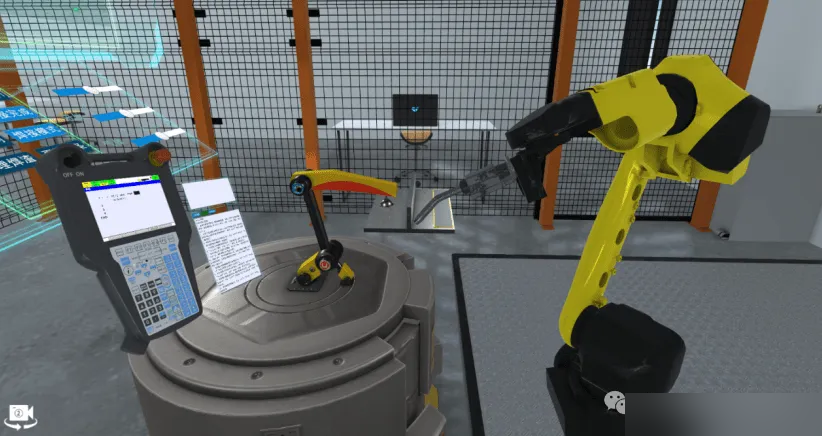
Welding simulation: AI and virtual reality technologies can simulate real welding processes for operator training and process validation.
Training optimization: By analyzing welders’ operational data, AI provides personalized training recommendations to improve welding skills.
Future Trends
Higher automation: With the rapid development of AI and robotics technologies, intelligent welding equipment will achieve higher levels of automation, enabling fully unmanned or minimally manned welding operations.
Data-driven management and monitoring: Intelligent welding equipment will feature data acquisition and remote monitoring capabilities, transmitting welding parameters, process data, and equipment status in real time to remote control centers or end users via cloud platforms.
Intelligent welding process optimization: Intelligent welding equipment will optimize welding processes through integrated intelligent algorithms, reducing weld defects and distortion.
Multi-process integration: Intelligent welding equipment will integrate different welding processes and technologies, enabling multi-function and multi-process applications.
Conclusion
Overall, the application of AI in welding has significantly improved weld quality and efficiency while reducing cost and labor intensity. As technology continues to advance, AI applications in welding will become even more extensive and in-depth.